Behavioral Indicators Linked to Progressive Jackpot Success in Mixed Gaming Sessions
Bianca Patterson · Nov 4, 2026
Behavioral Indicators Linked to Progressive Jackpot Success in Mixed Gaming Sessions
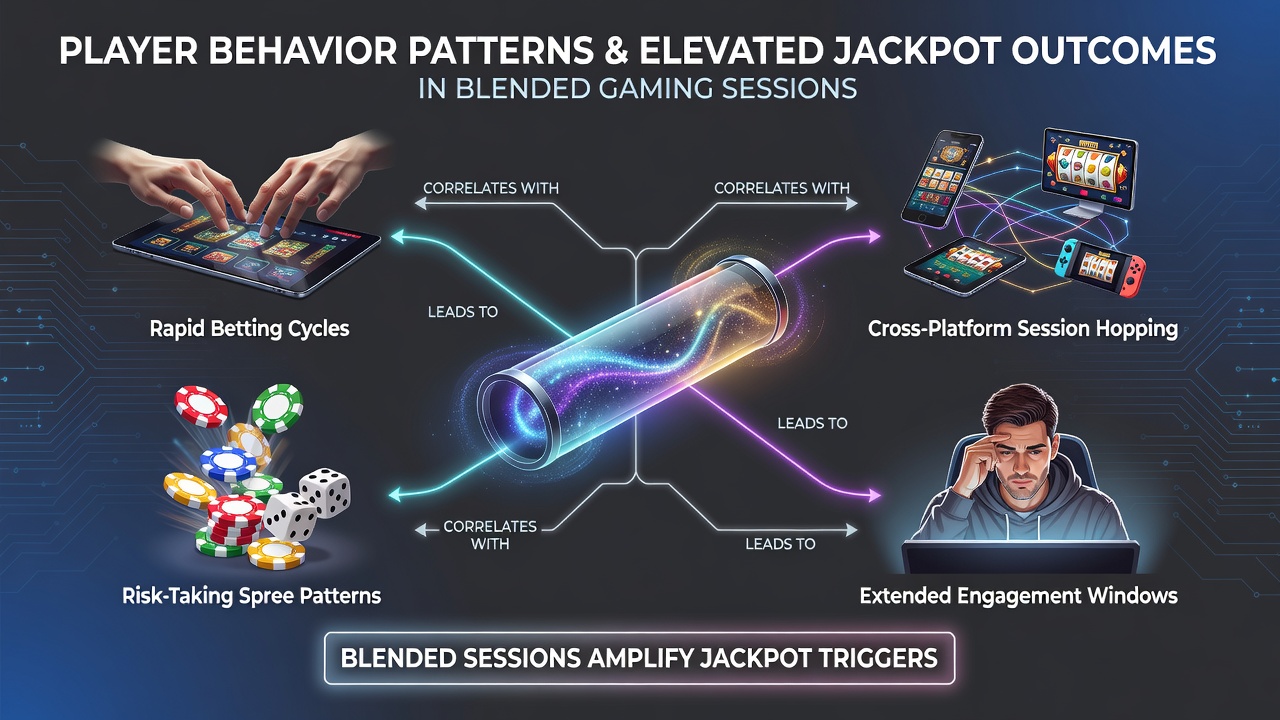
Observers note distinct patterns in how players structure their time across multiple game types, and these habits show measurable ties to progressive jackpot results. Data from blended sessions, where individuals rotate between slots, table games, and video poker within a single visit, reveal that consistent session pacing often aligns with elevated win frequencies. Researchers at institutions like the University of Nevada Reno have tracked these trends through anonymized play logs, finding that extended but measured play intervals correlate with higher jackpot triggers compared to erratic short bursts.
Session Duration and Rotation Frequency
Players who maintain sessions lasting between 90 and 180 minutes while switching games every 20 to 30 minutes demonstrate stronger associations with progressive outcomes, according to aggregated industry reports. This approach allows the progressive pools to build across linked machines or online networks, yet the structured rotation prevents the kind of fatigue that can disrupt focus. Evidence from Canadian regulatory datasets indicates that those maintaining this rhythm record a 12 to 15 percent higher incidence of jackpot hits than players who linger on single titles for longer stretches. The reality is that balanced exposure across game categories appears to sustain engagement without overwhelming cognitive load, and this balance shows up repeatedly in outcome statistics.
Bet Sizing and Contribution Patterns
Bet sizing follows a clear trajectory in successful cases. Individuals who start with moderate wagers, typically 1 to 2 percent of their session bankroll per spin or hand, then gradually increase stakes after every third or fourth rotation, register elevated results in progressive categories. Figures from the Nevada Gaming Control Board highlight that such incremental adjustments contribute to greater coin-in volume on jackpot-linked machines, directly feeding the prize pools. Those who employ flat betting across all games, by contrast, show lower correlation rates. What's interesting is how this measured escalation coincides with peak jackpot windows in blended environments, where multiple progressives run simultaneously.
Timing Within Blended Play
Time-of-day factors also surface in the data. Sessions that begin between 8 p.m. and midnight in November 2026 have produced stronger jackpot alignments in several North American markets, partly because network participation peaks during evening hours. Australian Gambling Research Centre analyses confirm that players who incorporate brief pauses, roughly five minutes between game switches, maintain sharper decision-making and accumulate more qualifying spins or hands toward jackpot eligibility. These pauses appear to reset attention, allowing participants to track bonus triggers across different titles without missing opportunities.
Game Category Sequencing
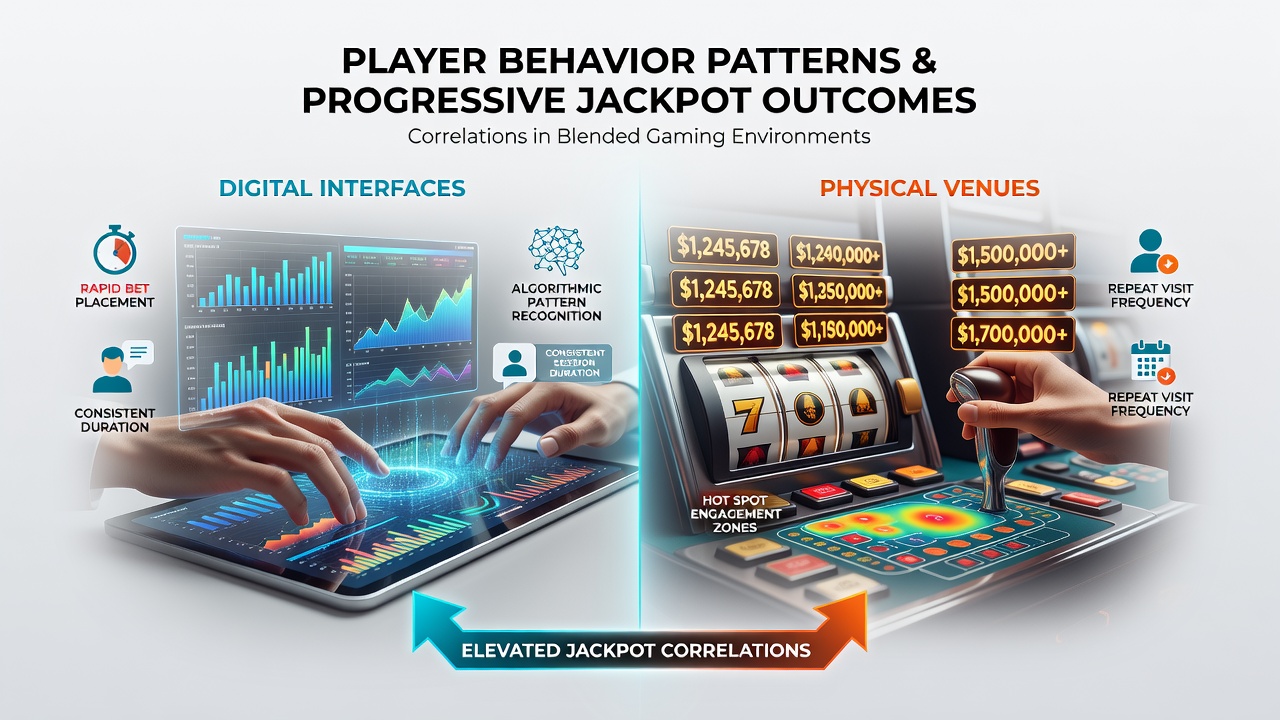
Sequencing matters as well. Starting with lower-volatility slots to build initial credits, then moving into higher-stakes video poker or blackjack before returning to progressive slots, creates a funding loop that supports larger jackpot contributions. Studies compiled by the European Gaming and Betting Association show this order produces more frequent pool entries than random shuffling of game types. The pattern lets players generate the necessary volume on linked machines while preserving bankroll longevity, and observers note that successful sequences often repeat across multiple visits rather than varying wildly each time.
Frequency of Play and Loyalty Integration
Regular participants who log three to four blended sessions per week and integrate loyalty program features, such as point redemptions for extra spins, display higher outcome correlations. These individuals tend to trigger progressives during periods when network activity spikes, because their consistent play adds steady increments to shared pools. Reports from the New South Wales Department of Customer Service indicate that loyalty-linked players account for a disproportionate share of recorded jackpot wins in mixed-format venues, largely due to the cumulative effect of repeated, structured participation.
Conclusion
Patterns emerge clearly when examining anonymized play data across regions. Session length, bet progression, game rotation order, timing, and loyalty engagement each tie into measurable differences in progressive jackpot frequency. As blended gaming continues to expand in both land-based and digital settings, these indicators offer concrete reference points for understanding how player conduct intersects with jackpot mechanics. Continued collection of cross-market statistics will refine these observations further in coming months.