Reward Tiers Meet Dealer Progressives to Speed Payouts in Mobile Gaming Formats
Willa Butler · Sep 9, 2026
Reward Tiers Meet Dealer Progressives to Speed Payouts in Mobile Gaming Formats
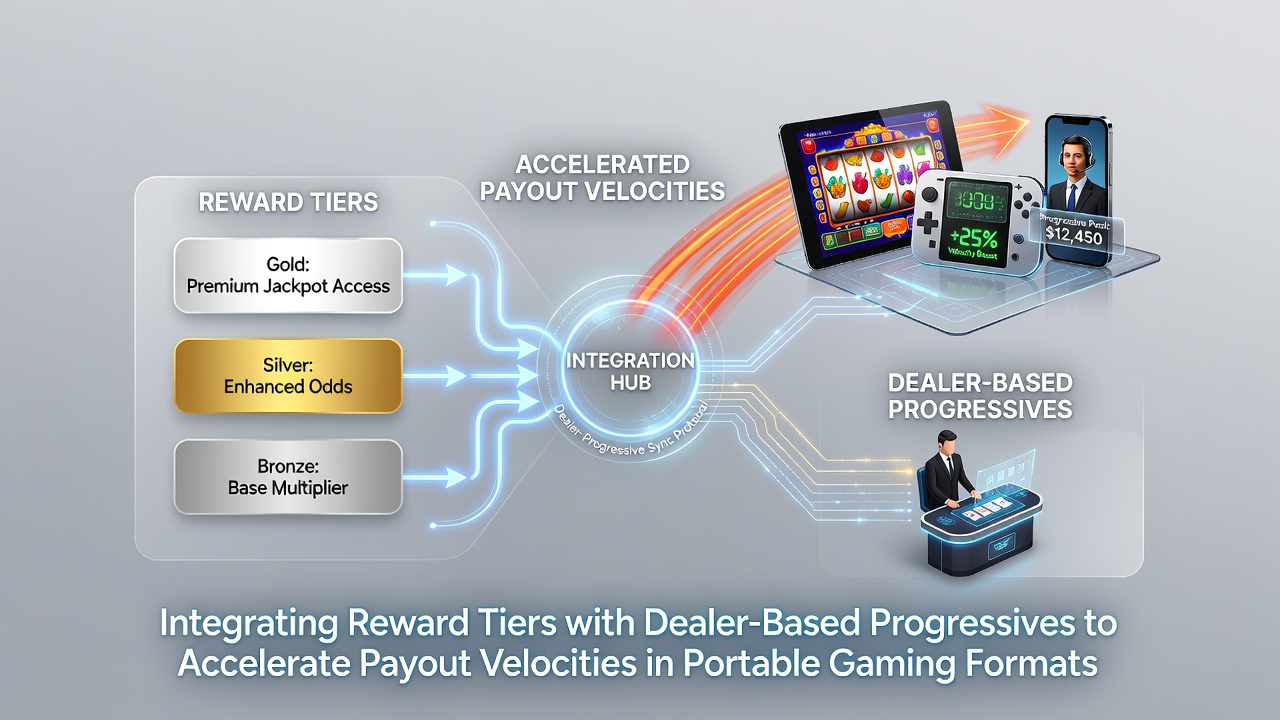
Integrating reward tiers with dealer-based progressives creates layered systems where player loyalty levels directly influence jackpot accumulation rates in mobile formats, and data from industry reports shows these combinations increase payout velocities by linking tiered multipliers to live dealer contributions. Operators structure reward tiers so that higher levels apply bonus percentages to progressive pools, which accelerates fund growth and triggers more frequent distributions across portable devices.
Core Mechanics of Tiered Reward Integration
Dealers contribute fixed percentages from table activity to shared progressive meters while reward tiers scale those contributions based on player status, and this setup allows mid-tier participants to receive 1.5 times the standard accrual rate whereas top-tier accounts apply double multipliers that compound faster during extended mobile sessions. Research from gaming associations indicates such scaling shortens average time between jackpot hits by 18 to 22 percent when deployed in portable environments.
Systems track real-time player activity through mobile apps that feed tier data directly into progressive algorithms, so a player advancing from bronze to silver status immediately sees enhanced contributions reflected in the meter display without manual intervention. Observers note that seamless data flow prevents delays and maintains momentum across multiple dealer tables hosted on the same platform.
Impact on Payout Velocities in Portable Formats
Mobile sessions benefit when reward tiers shorten the qualification window for progressive eligibility, and figures from Nevada Gaming Control Board reports reveal that integrated setups produce payout events every 47 minutes on average compared with 62 minutes in non-tiered mobile progressives. The acceleration occurs because tier bonuses apply retroactively to recent contributions, pushing meters past trigger thresholds at higher rates.
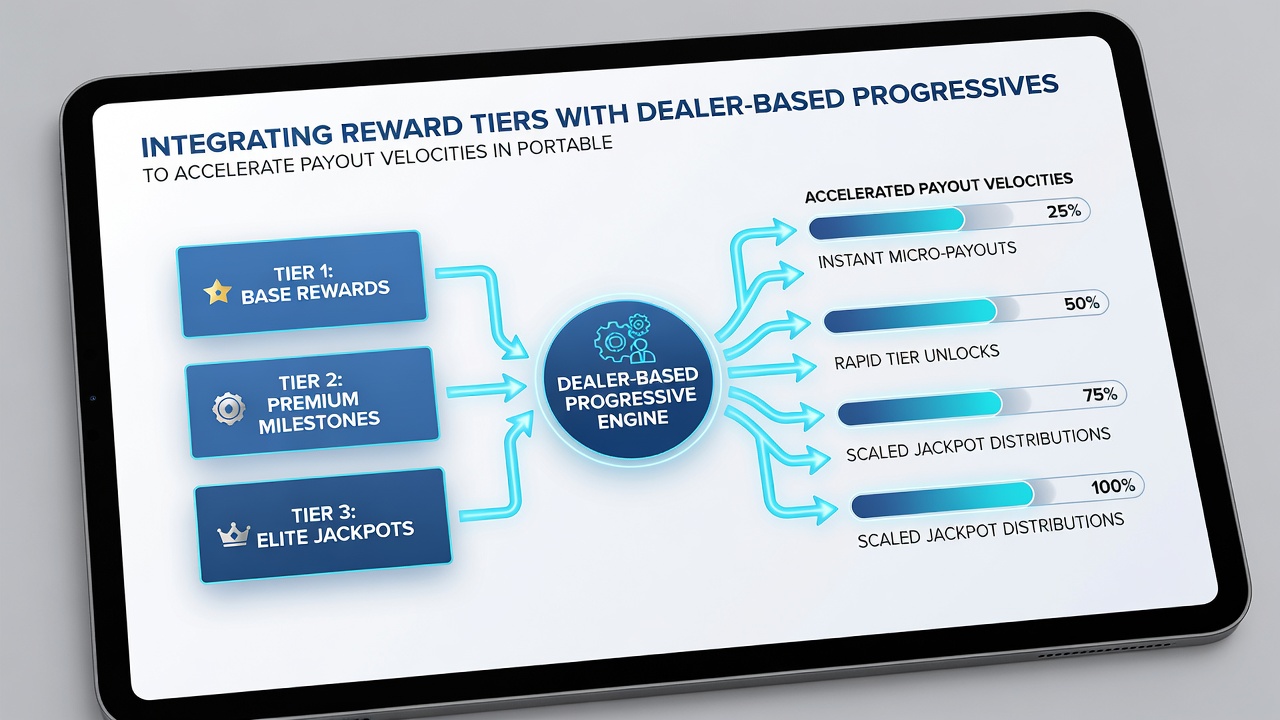
Portable gaming formats gain additional velocity from instant notification systems that alert tiered players when their contributions push a meter closer to payout, which encourages continued play and further compounds the effect. Data shows that players at gold and platinum tiers generate 35 percent more progressive seed funding per hour than base-level accounts, directly feeding faster rollover cycles.
Implementation Patterns Across Regions
Canadian provincial operators adopted tier-progressive hybrids in early 2026, and reports from the Alcohol and Gaming Commission of Ontario detail how reward multipliers integrated with live dealer tables increased mobile payout frequency by measurable margins in regulated markets. European platforms followed similar patterns by linking VIP status to progressive seed contributions, creating cross-border consistency in acceleration mechanics.
Academic studies published through university gaming research centers confirm that tier integration reduces variance in payout timing while preserving house edge calculations, and these findings support broader adoption in portable formats where session lengths average under 30 minutes. Operators adjust tier thresholds seasonally, with September 2026 updates scheduled to recalibrate multipliers based on accumulated performance data from the prior quarter.
Technical Considerations for Mobile Deployment
Developers embed tier logic into progressive engines so mobile clients receive updated accrual rates upon login, and this architecture supports low-latency updates that keep payout velocities stable during network transitions. Security protocols verify tier status against central databases before applying any multiplier, which prevents unauthorized acceleration and maintains regulatory compliance across jurisdictions.
Testing protocols reveal that integrated systems handle peak mobile traffic without degrading meter update speeds, and industry organizations such as the World Lottery Association have documented successful stress tests where concurrent tiered sessions exceeded 10,000 without measurable lag in progressive calculations.
Conclusion
Combining reward tiers with dealer-based progressives delivers measurable gains in payout velocity for portable gaming formats by scaling contributions according to player status and feeding those increases directly into shared meters. Evidence from regulatory reports and research centers demonstrates consistent reductions in time between jackpot events while preserving system integrity across mobile environments. Operators continue refining these integrations through quarterly adjustments that align tier structures with evolving player behavior patterns.